
What is the most energy efficient cladding?

What is the most energy efficient cladding?
With the cost-of-living crisis set to bite everyone’s wallets later this winter, more and more people will be seeking ways to lock in the heat in their homes for cheaper heating bills. Double-glazed windows? Check. Composite door? Of course. But have you thought about the role your walls and roof can play in improving insulation? We at Unique Glazing are fully equipped to provide South East homeowners with the appropriate type of cladding to suit your needs, providing a stunning and practical low-maintenance solution that can help reduce your energy bills.
Still not sure about how cladding can aid with insulation and save you money? In this blog, we’ll break down all you need to know.
What are the different types of cladding?
The first thing to know about cladding is that there are various different types to choose from, enhancing the aesthetic appeal of your home. This makes it easy for us to find the best solution to suit your specific budget, stylistic preference, and house style. From uPVC to External, these are the different types of cladding we offer (highlighting the benefits of each):
uPVC cladding
The “uPVC” in uPVC cladding stands for Unplasticized Polyvinyl Chloride, which has long been considered one of the easiest and most cost-effective materials used to insulate the home. Odds are if you have white windows, this is the exact same stuff its frames will be made from. One of its chief benefits is just how flexible it is – meaning that proper installation of uPVC cladding can be fitted and shaped to suit any home style and layout.
Whether you have a relatively newer home or are looking to rejuvenate a classic property, uPVC cladding boasts both the form and function necessary to insulate both and promote environmental sustainability. We at Unique Glazing, for example, provide uPVC cladding in a range of enticing colours and woodgrain finishes. It’s all thanks to uPVC’s inherent flexibility, which ensures it will never warp, rust, or fade in colour when you choose to have it installed in your property. uPVC cladding will immediately get to work weatherproofing and locking in the heat, reducing damp and condensation all at a fair price.
Shiplap cladding
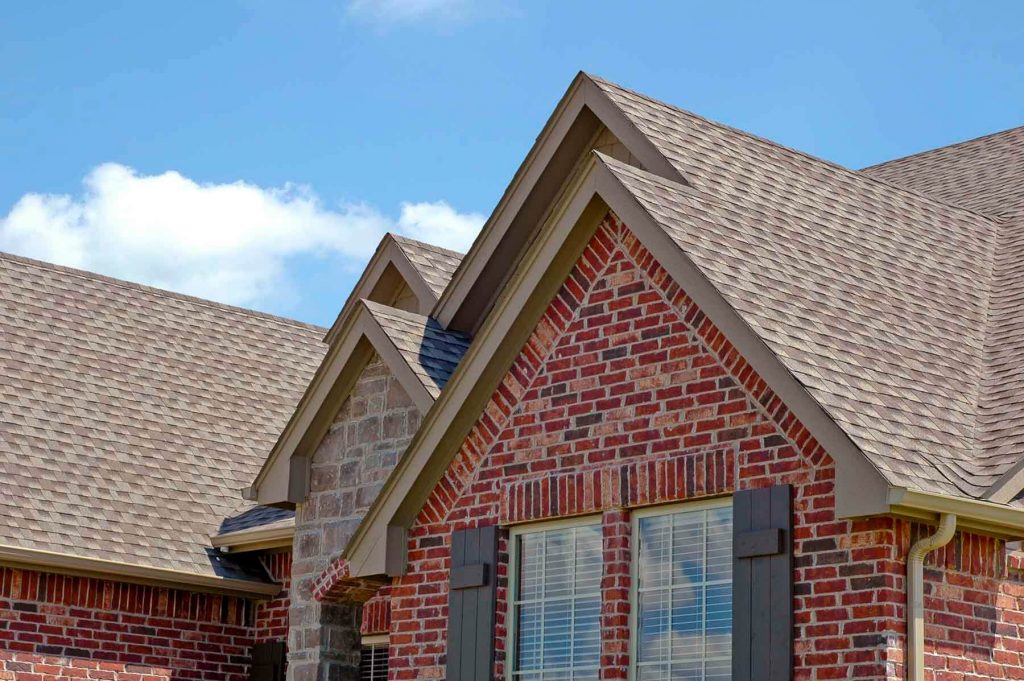
Shiplap cladding not only refers to the style of the exterior wall cladding you have installed but the specific material at hand, too. Typically fitted to exterior walls, shiplap cladding is formed using wooden boards, and can be the perfect stylish insulation solution for barns, sheds, garages, and outbuildings, in addition to the home. You can easily identify wooden shiplap cladding from the unique grooves found in the boards called a rabbet, which allows them to overlap to ensure heat is locked in forever and always.
Shiplap cladding might be a tad more costly compared to uPVC alternatives due to the wood materials being used, but the benefits you gain from using such a natural product are almost infinite. For example, its strength and resilience is unparalleled, with shiplap cladding building up a great reputation for being able to withstand extreme and aggressive climates. Not to mention the added luxury that comes from using genuine wood grain patterns, too. However, regular maintenance is essential to preserve its quality over time. Needless to say if you’re considering cladding and have a classic-style home or live in a conservation area, shiplap cladding is an ideal choice.
External cladding
External cladding, often referred to as exterior cladding, isn’t so much a separate type of cladding as it is a choice and one that often depends on your own personal preference. You see, while it’s sometimes typical in the UK to have cladding (of any material) installed inside in order to start insulating right away, an equally effective option is to have your cladding installed externally.
It’s an easy exercise, too, as we at Unique Glazing can fit external wood cladding to almost all house material types, including brick blocks, masonry, and concrete. Opting for external cladding obviously means having it outward-facing. This means having a good opportunity to rejuvenate your property’s tired exterior using myriad colours, from wood effect to grey cladding. The latter is a popular choice for those who feel uPVC’s white to be unsightly, and whose homes wouldn’t suit authentic wood shiplap.
Natural Stone Cladding: Durability and Maintenance Considerations
Natural stone cladding stands out for its exceptional durability and minimal maintenance requirements. This cladding option effectively reduces heat loss, contributing to better insulation and lower energy bills. In addition to its long-lasting nature, natural stone offers aesthetic appeal, blending seamlessly with various architectural styles. Despite its heavy materials, proper installation ensures structural integrity while weather resistance guards against harsh conditions. investing in natural stone cladding enhances not only the property’s curb appeal but also its long-term performance and energy efficiency.
Timeless Elegance and Weather Resistance
UPVC cladding stands out as a popular choice for homeowners seeking energy efficiency alongside minimal maintenance. Its lightweight nature allows for easy installation, ensuring a robust insulation layer that effectively reduces heat loss. By utilizing energy-efficient materials, this type of vinyl cladding wall cladding significantly contributes to lowering energy bills while enhancing the property’s curb appeal. The resistance to harsh weather conditions further solidifies its role in maintaining a consistent indoor temperature, offering both aesthetic appeal and long-lasting durability.
Brick Cladding: Insulation and Cost Implications
Among the options available, brick cladding stands out for its excellent insulation properties, effectively minimizing heat loss and energy consumption. This robust material creates a thermal mass that helps maintain indoor temperatures, resulting in lower energy bills during both winter and summer months. While installation may carry some initial costs, the long-term investment pays off through enhanced property value and reduced heating costs. Moreover, its aesthetic appeal complements various architectural styles, adding a touch of timeless beauty to any building.
Classic Appeal Meets Modern Functionality
UPVC cladding stands out for its remarkable low maintenance requirements and impressive energy efficiency. This cladding material effectively minimizes heat loss, helping maintain optimal indoor temperatures and reducing energy bills. Known for its lightweight nature and cellulose fibers, it provides excellent insulation, making it a popular choice for modern architecture. The installation process is straightforward, which enhances its appeal for both new constructions and renovations. As an attractive option, uPVC cladding offers a contemporary look while contributing significantly to the building’s overall energy efficiency.
Wood Cladding: Sustainability and Eco-Friendly Options
Wood cladding stands out as a sustainable option, utilizing natural materials that lower the carbon footprint of buildings. With its ability to provide excellent insulation, wood effectively reduces heat loss, enhancing a building’s energy efficiency. Many eco-friendly choices, like reclaimed or sustainably sourced timber, contribute to minimal maintenance requirements while ensuring aesthetic appeal. As homeowners seek to balance style with environmental sustainability, wood cladding emerges as an attractive option that promotes a warm, inviting atmosphere in various architectural designs.
Composite Cladding: Combining Materials for Enhanced Performance
Combining various materials, composite cladding offers an exceptional balance of durability and aesthetic appeal. This innovative option leverages the strengths of wood, vinyl, and more, ensuring low maintenance requirements while enhancing the building’s energy efficiency. By minimizing heat transfer, it helps maintain indoor temperatures, ultimately reducing energy bills. The lightweight nature of composite panels also contributes to easier installation processes, making it suitable for both residential and commercial buildings. It’s an attractive option for those seeking modern designs with robust performance.
Environmental Considerations
UPVC cladding stands out as a popular choice due to its excellent energy efficiency and low maintenance requirements. This exterior composite cladding option retains heat effectively, minimizing heat loss and ultimately reducing energy bills. The lightweight nature of uPVC allows for easy installation, contributing to lower energy consumption throughout the year. Additionally, its durability against harsh weather conditions enhances both the structural integrity and aesthetic appeal of the property. Homeowners often appreciate its ability to preserve indoor temperatures while offering a modern look.
Does cladding make your house warmer?
The question we at Unique Glazing receive most often is: does cladding make your house warmer? In short, yes. And the reason is simple. Cladding essentially means fitting your home with more layers than it would otherwise have typically, making it harder for heat to escape the roof and walls thanks to the rigorously tested insulation technology included in the cladding. In addition to warming your home further, cladding has been proven to increase the overall quality and lifespan of your walls, reduce condensation, and provide additional acoustic resistance to any outside noise.
Cladding solutions from Unique Glazing do all this while having the potential to reduce your home’s energy costs and lessen your carbon footprint. Less warmth being able to escape your home means turning on the heating far less, saving you money in the long term. Better yet, depending on the type of cladding you hope to have installed, you might just improve the kerb appeal of your home as well.
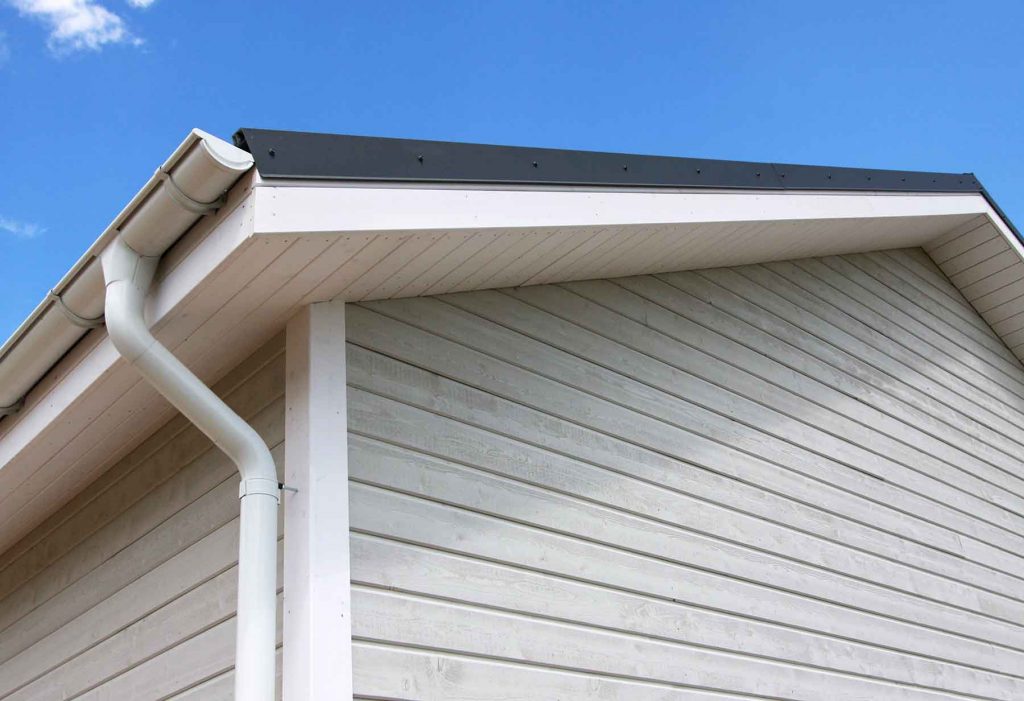
Benefit from cladding with services from Unique Glazing
If you would like to discuss with one of our experts how cladding’s lightweight nature could benefit your home further, be sure to contact Unique Glazing today on 0333 444 245 or get a free quote today by messaging us online. We’re one of the most trusted home improvement companies in the Greater London region.
Delivering Customer Satisfaction
We strive to provide the best service for our customers. Here are some reviews from our happy customers.
Read our reviews




Offering you the best possible prices
Get in touch today for a no-obligation quote, totally free!