
Conservatory vs orangery explained

Conservatory vs orangery is the debate most homeowners will have once they’ve decided to add an extension to their home. Both are good options, but whilst they may look similar, there are subtle differences that mean they actually give you two very different home experiences.
Conservatories feature a higher percentage of glass, with tall windows that make up most of the structure. Available in various shapes and styles, you also have the choice between a glass and tiled roof when you choose Unique Glazing.
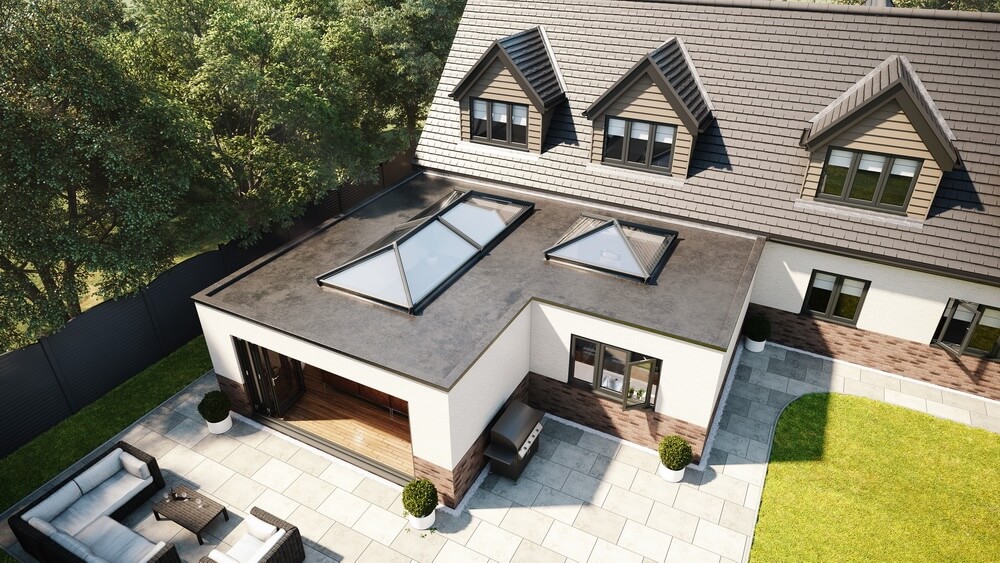
Orangeries, on the other hand, feel more permanent; adding an orangery is essentially adding an extra room to your ground floor. They are built using more bricks, with a high brick base, and with pillars often splitting up the windows. At the crown, you’ll find a flat roof with a lantern on top to attract sunlight from all angles.
We’ll explore the two in more detail below and explain which may be better suited to your home based on your unique priorities and demands for the space.
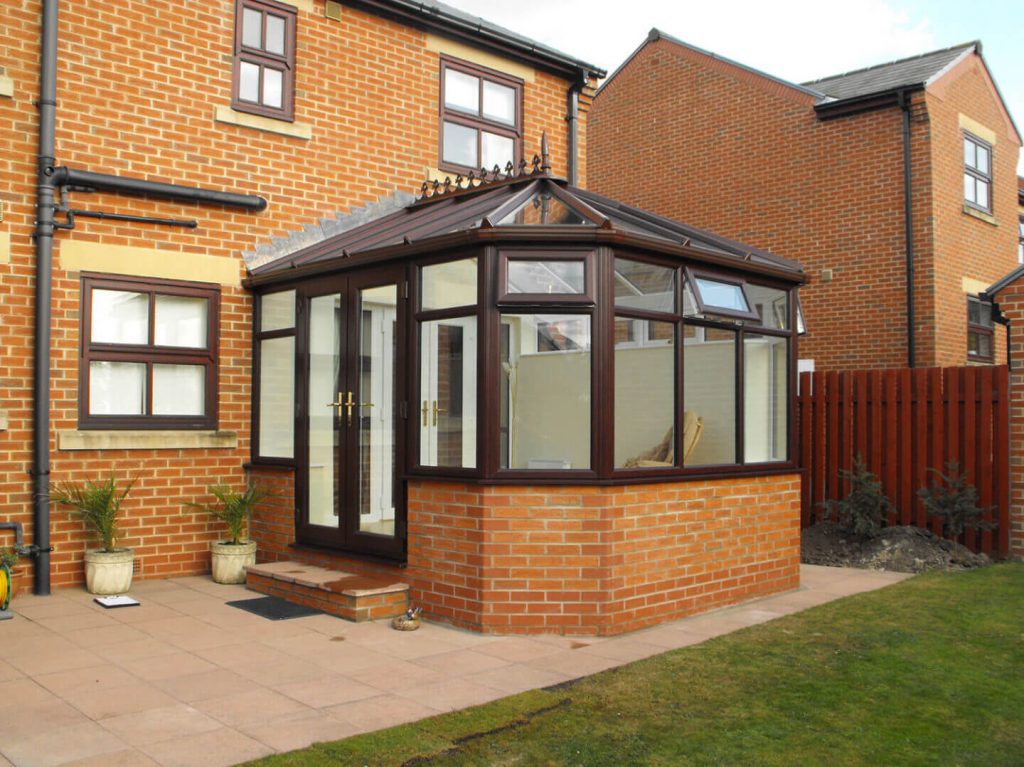
What is a conservatory?
As mentioned above, conservatories are the right choice if you’re looking for a light-filled extension. Whilst we’ve all experienced chilly afternoons in a family member’s condensation-filled conservatory, you don’t need to worry about this anymore thanks to modern uPVC frames and energy-efficient glazing.
With origins dating back to the Victorian era, conservatories nowadays have largely ditched the polycarbonate materials that caused such extreme temperature swings, and are now comfortable spaces that can be used whatever the weather.
Today’s designs are far more energy efficient than older models, using advanced double glazing and insulated frames to reduce heat loss and improve temperature control. Glass or tiled roofs are available from Unique Glazing.
How to tell a conservatory apart from an orangery
- Predominantly a fully glazed structure
- Features large windows and often a pitched glazed roof (this is the most common Victorian style)
- Minimal brick structure, usually a low wall at the base
- Designed to maximise natural light
- Lighter, more open appearance
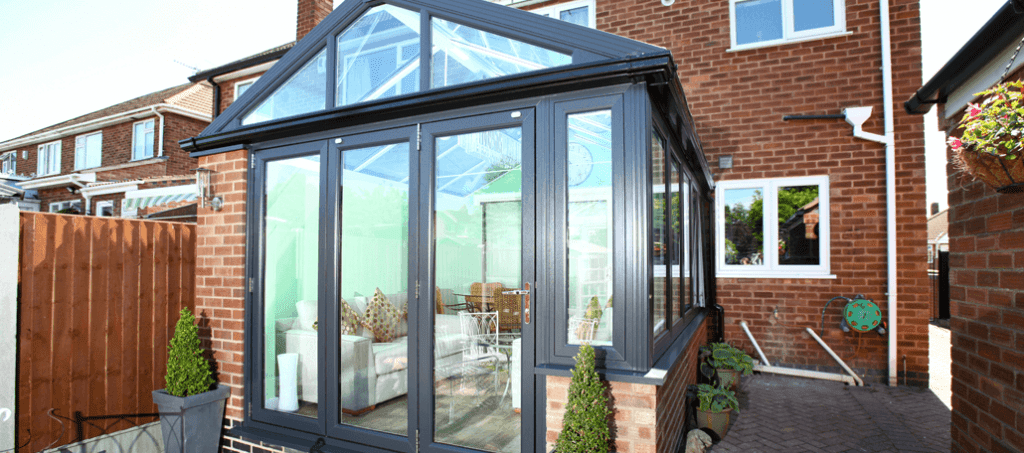
What is an orangery?
Orangeries date back to the 17th century, when they were built to protect citrus trees and exotic plants during colder months in northern Europe. Today, they’re viewed as a more substantial extension that can be used in the same manner as any other room, be it a home office, additional lounge, kitchen or even an additional bedroom to host a lodger.
A new orangery typically includes a brick structure, tall windows, and a flat roof with a central roof lantern. This creates a bright yet cosy space that feels more like part of the main house.
How to tell an orangery apart from a conservatory
- Greater use of brickwork and solid structures
- Flat roof with a roof lantern or partially glazed sections
- Less glass overall, creating a more enclosed feel
- Stronger thermal performance and climate control
- Designed to feel like a permanent room extension
Conservatory vs orangery: Which should I choose?
Both options can transform your home, whether you’re creating a garden room, dining area, or even a home gym. The right choice depends on how you plan to use the space and your priorities around light, insulation, and budget.
Choose a conservatory if
- You want maximum natural light and garden views
- You love the idea of a bright, airy space for relaxing
- You’re working with a tighter budget
- You enjoy features like a glass roof for stargazing or birdwatching
Choose an orangery if
- You want a space that feels like part of your main house
- You want the best extension possible for thermal performance
- You prefer a more private, enclosed environment
- You’re planning a kitchen extension or home office
- You like elegant design features with a solid roof
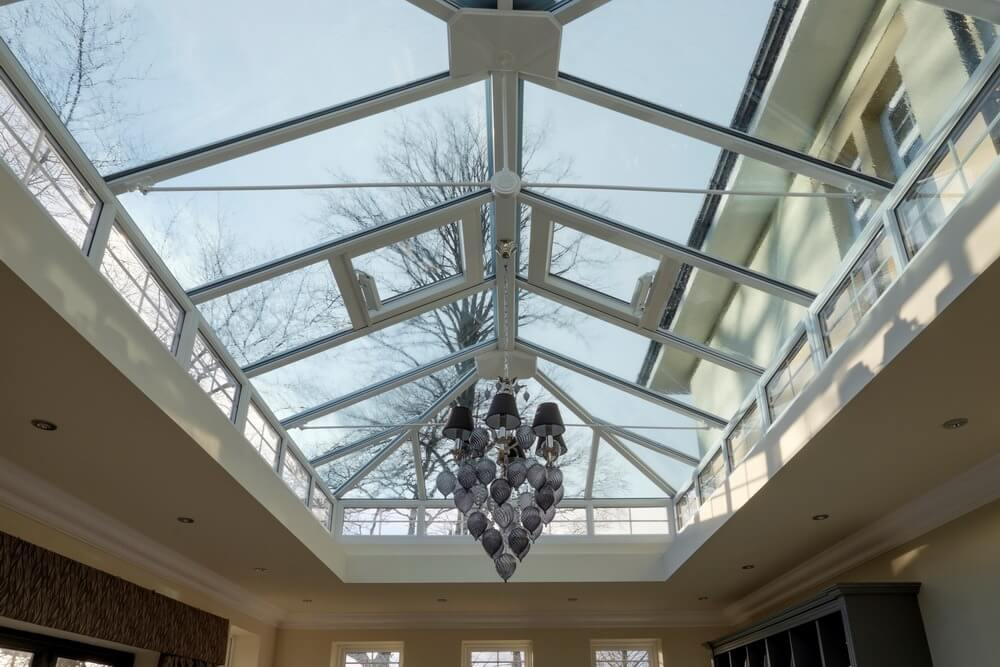
Key differences at a glance
| Feature | Conservatory | Orangery |
| Appearance | Fully glazed, light and open | Brick structure, more solid |
| Natural light | Excellent | Very good |
| Roof design | Glass or tiled roof | Flat roof with lantern |
| Thermal performance | High (modern designs) | Best-in-class |
| Cost | More budget-friendly | Typically higher |
| Feel | Separate garden space | Integrated living space |
Conservatory vs orangery: what else do I need to consider?
Before deciding, there are a few practical factors worth thinking about.
Planning considerations
In many cases, both conservatories and orangeries fall under permitted development rights, meaning planning permission isn’t required. That said, it depends on your property, especially if you’re in a conservation area or dealing with specific local regulations.
We guide our customers through this process and handle any requirements with local authorities, so you’re never left guessing.
Build complexity
Conservatories are generally quicker to install due to their lighter structure. Orangeries involve more brickwork and construction, which can increase build time and complexity.
Costs
Costs vary depending on size, materials, and design choices. Features like roof lanterns, underfloor heating, frame colours, and glazing options all play a role. Orangeries are usually more expensive, though both options are bespoke when you choose Unique Glazing, so you stay in control of your budget.
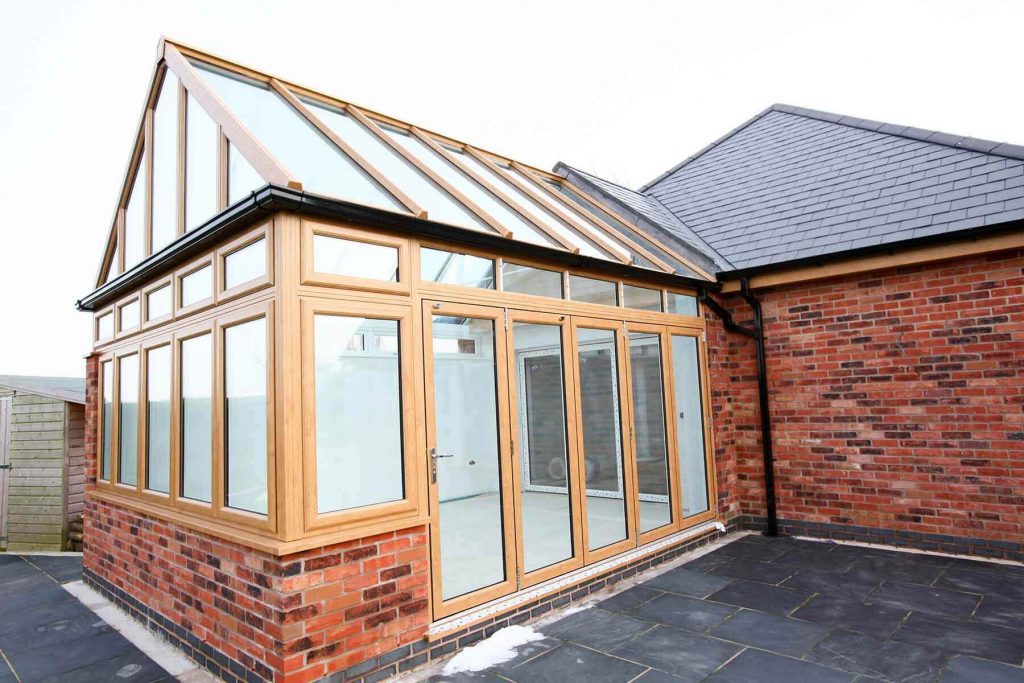
Conservatories from Unique Glazing
We offer a wide range of styles, all manufactured in-house for quality and faster lead times:
- Edwardian conservatories: Square or rectangular layouts that maximise usable space
- Victorian conservatories: Classic bay-fronted designs with a high-pitched roof and ornate detailing
- Lean-to conservatories: Ideal for smaller spaces or bungalows
- Gable conservatories: Tall, dramatic designs with a ‘sunburst’ effect
- Combination conservatories: Bespoke layouts tailored to your home, often create two separate spaces
Our conservatories are available in uPVC and aluminium, with A++ energy rated glazing and colours ranging from classic white to anthracite grey and woodgrain finishes.
You can also choose between:
- Glass roofs for natural light and sky views
- Tiled roofs for improved insulation
- Combination roofs for balanced performance
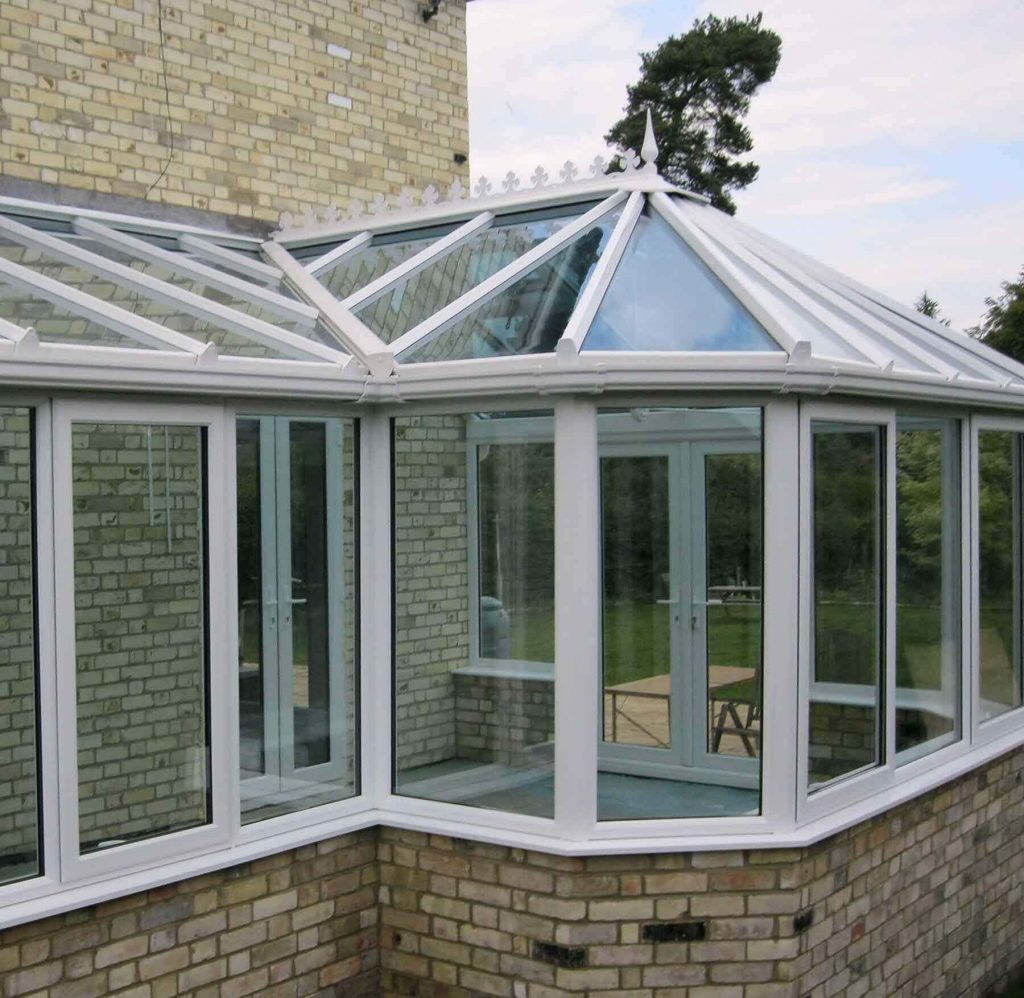
Orangeries from Unique Glazing
Our orangeries bridge the gap between conservatories and full extensions. Built with high-performance uPVC, they combine durability with low maintenance.
Key features include:
- Solid brick pillars for a more permanent feel
- Roof lanterns to bring in natural light from all angles
- Advanced glazing for improved energy efficiency
- Custom colours and finishes to match your home
Orangeries are ideal if you’re creating a kitchen, dining area, additional bedroom or home office. They suit both traditional and modern properties and can add significant value to your home.
Frequently asked questions
Do I need planning permission for a conservatory or orangery?
In most cases, no. Many fall under permitted development rights in London, though this depends on factors like size, exact location, and local regulations. We always recommend checking, and we’re happy to help guide you through the process.
Which is warmer: a conservatory or orangery?
Modern conservatories are highly energy efficient, though orangeries tend to retain heat better due to their solid roof and brickwork. Both are comfortable year-round with the right glazing and design.
How long do they last?
With quality materials and proper installation, conservatories can last 25-35 years in peak condition, while orangeries can last 30 years or more. They both promise to increase your property value, as they really appeal to potential buyers.
Who are Unique Glazing?
We’re a family-run business with over two decades of experience designing and installing bespoke home improvements across the South East, including Berkshire, London, Surrey, and Oxfordshire.
We manufacture many of our products in-house, giving us full control over quality, pricing, and lead times. Our accreditations include FENSA Approved Installer status, Liniar Approved fabricator, and GGFi membership, which means your installation is backed by a comprehensive 10-year guarantee.
From conservatories and orangeries to windows and doors, we’re here to help you make the right choice for your home.
Ready to get started?
Call us on 0800 193 2425, email sales@uniqueglazing.co.uk or fill out our form here to receive a free, no-obligation quote.
Delivering Customer Satisfaction
We strive to provide the best service for our customers. Here are some reviews from our happy customers.
Read our reviews




Offering you the best possible prices
Get in touch today for a no-obligation quote, totally free!