
uPVC vs aluminium windows for UK homes

uPVC vs aluminium windows for UK homes
Having made the decision to upgrade your windows, it’s easy to feel overwhelmed by the sheer volume of technical jargon and specifications for the many, many options available. To navigate these choices without the stress, most homeowners find it helpful to start with the most fundamental comparison: uPVC vs aluminium windows.
At Unique Glazing London Ltd, we have spent over two decades helping families navigate this choice. As a family-run business with strong values at our heart, we believe in providing honest, professional guidance to help you find the material that best fits your property’s architectural style and your personal budget.
Why is thermal performance the biggest factor in 2026?
When weighing up the respective benefits of uPVC vs aluminium windows, the primary goal for UK households is often increasing energy efficiency. After all roughly 18% of a home’s heat is lost through its windows according to the Energy Saving Trust, so you’ll want your new purchase to reduce this heat loss as much as possible.
Both materials excel at lowering energy bills, but they do so in different ways. uPVC is a natural insulator; the material itself does not conduct heat, meaning the uPVC frames act as a barrier to keep warmth in. On the other hand, aluminium is a metal and a natural conductor. To combat this, modern aluminium frames are engineered with a thermal breaks.
A thermal break is a reinforced polyamide strip positioned between the inside and outside of the frame. This thermal break technology effectively stops the cold air from reaching the interior of your home. When paired with high-specification double glazing or triple glazing, both materials can achieve exceptionally low U-values, ensuring you use less energy to maintain a comfortable temperature. While uPVC achieves a slightly better level of insulation, aluminium with thermal breaks is not far behind in performance.
Which material offers the best aesthetics and natural light?
The visual difference between the two materials is often the deciding factor for homeowners.
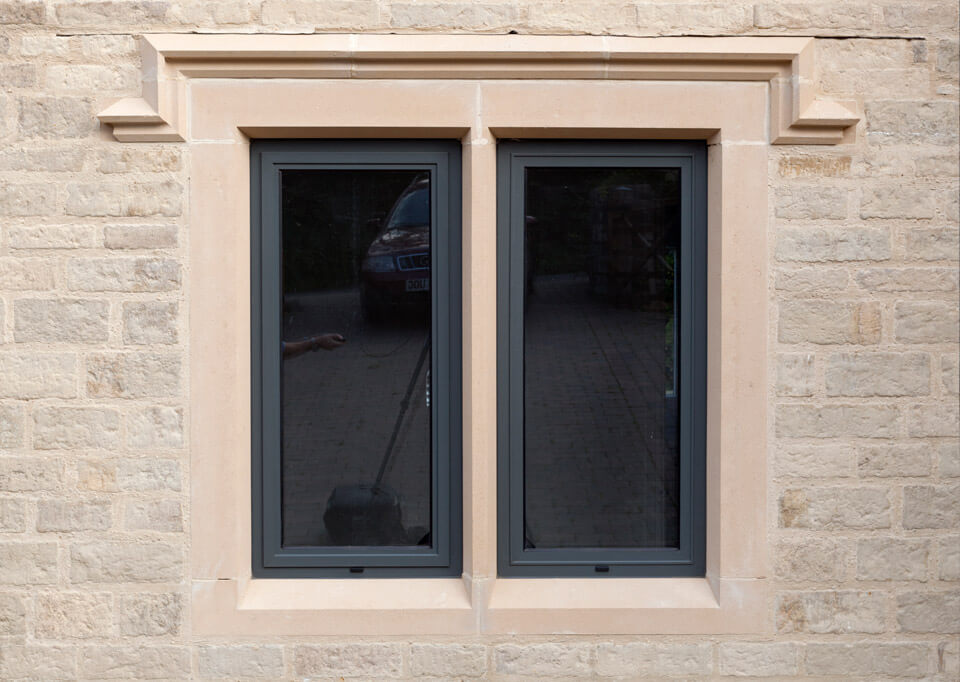
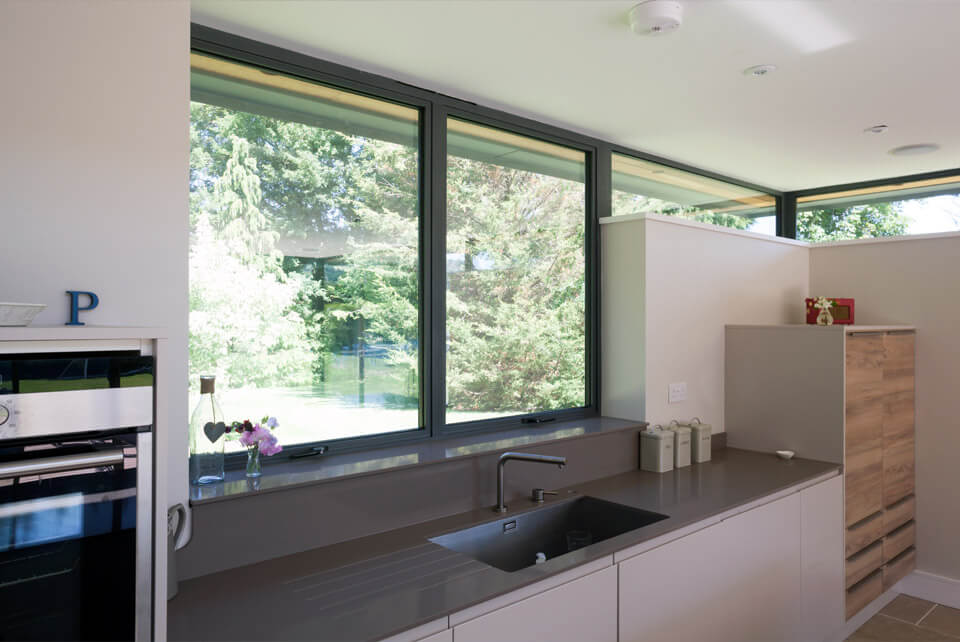
- Aluminium: Known for its incredible strength-to-weight ratio, aluminium allows for much slimmer window frames. These sleek designs allow for larger expanses of glass, which maximises the amount of natural light entering a room. This makes them a favourite for contemporary London extensions and modern architectural designs, as well as the crittall-style windows seen on early 20th century renovations.
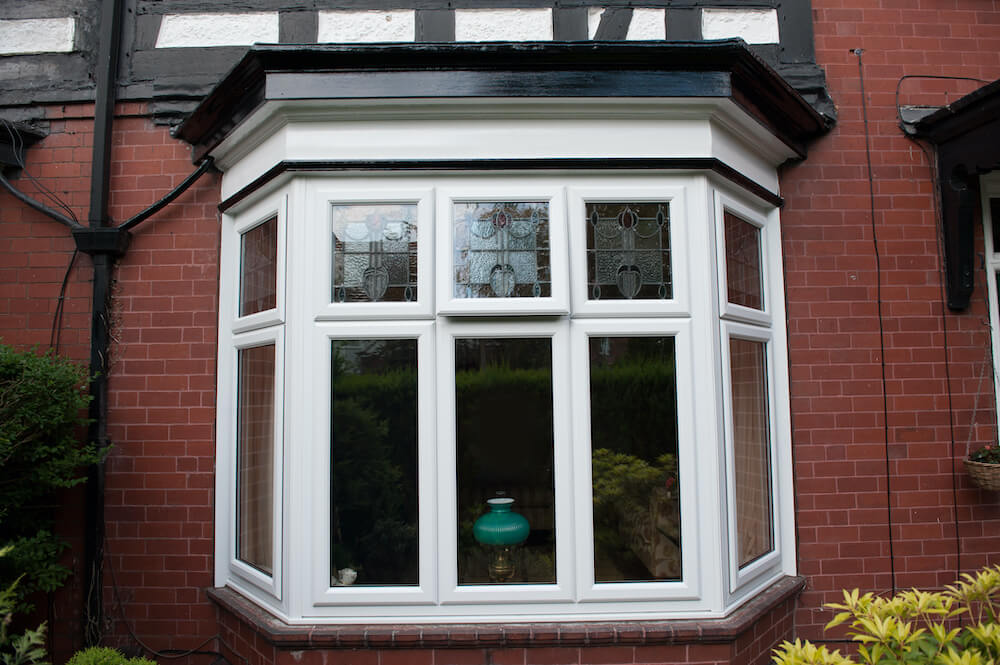
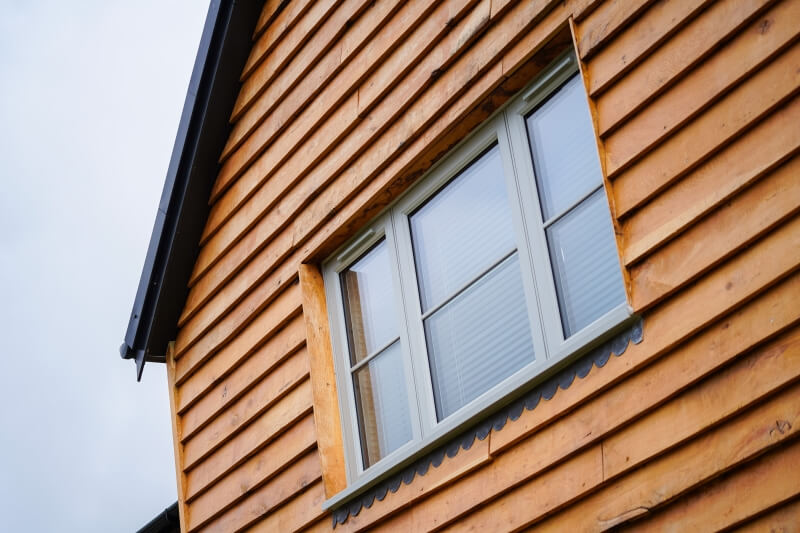
- uPVC: Traditionally, uPVC had thicker profiles. However, modern manufacturing means that today’s uPVC frames are more streamlined than ever. They are particularly effective at mimicking the chunky, substantial look of traditional timber.
The choice often depends on the “voice” of your property. For a sleek, minimalist look, the benefits of aluminium windows are clear. For those wanting a classic, cosy feel, uPVC remains the most popular choice.
Can you achieve a heritage look with modern frames?
Many South East properties are traditional in style, featuring sash windows or intricate Victorian details. A common worry is that replacing old timber with modern materials will ruin the home’s character.
Fortunately, the heritage market has evolved significantly. We can now provide uPVC sash windows that feature mechanical joints and run-through horns, making them almost indistinguishable from wood. Likewise, aluminum finished with colours like Anthracite Grey are perfect for preserving the aesthetic of 1920s buildings or warehouse conversions while offering 2026 levels of thermal efficiency.
Blending classic elegance with contemporary performance, the Resurgence flush sash window replicates the clean lines of pre-1932 timber with modern thermal efficiency. This design allows homeowners to enjoy a traditional aesthetic without the burden of ongoing maintenance.
Is uPVC or aluminium better for long-term maintenance?
One of the biggest benefits of aluminium and uPVC over traditional timber is their durability. Timber requires regular sanding, painting, and sealing to prevent rot and warping in the damp UK climate.
In contrast, both uPVC and aluminium are low maintenance. They do not rust, rot, or peel. To keep them looking fresh, you generally only need:
- A bucket of warm soapy water.
- A soft cloth to wipe down the frames and glass.
- An occasional drop of oil on the hinges.
While both are durable, aluminium is technically the longer-lasting material, often boasting a lifespan of 45 years or more, compared to the 25 to 35 years typically expected from high-quality uPVC.
What about security?
When it comes to security, both uPVC windows and aluminium windows are capable of offering high levels of protection when fitted with quality locks and glazing. However, aluminium windows are generally considered to be stronger due to the inherent properties of the metal, making them somewhat more secure against forced entry compared to uPVC options.
Which option provides the best value for your budget?
When comparing the uPVC vs aluminium windows cost, uPVC is generally the more affordable entry point. Because the raw material is less expensive and the manufacturing process is less complex than working with metal, uPVC offers fantastic value for money without sacrificing energy efficiency.
Aluminium is a premium product. The cost of the raw material and the intricacy of the thermal break technology mean the initial investment is higher. However, many homeowners view this as a long-term investment that adds significant resale value to the property, especially in the London market where “slimline” and “modern” features are highly sought after.
How much can you customise the colour of your frames?
Gone are the days when you were limited to white plastic uPVC or silver aluminium. Today, both materials offer a wide range of colours to suit any aesthetic, giving you the freedom to select the perfect look for your home.
- Aluminium: These are powder-coated in a process that provides a hard-wearing, fade-resistant finish. You can choose from the entire RAL colour chart, meaning hundreds of different shades are available.
- uPVC: Modern foils allow for a range of colours, including sophisticated woodgrain textures that look and feel like real oak or rosewood.
We often see homeowners opt for dual colourways—selecting a bold colour for the exterior to boost kerb appeal, while keeping the interior white to maintain a bright, neutral feel inside the home.
Making the right choice for your home
At Unique Glazing, we understand that every project is different. Whether you are replacing a single casement window or outfitting a whole new extension with bifold doors and a roof lantern, we are here to provide the support you need.
If you are particularly concerned about noise insulation, uPVC windows generally offer better soundproofing qualities compared to aluminium windows, due to their multi-chambered frames and superior sealing.
However, both materials can be highly effective when paired with double or triple glazing, so we can help you select the best option based on your specific needs and preferences.
Transform your home today
We serve a variety of homeowners across London and the South East, bringing two decades of expertise to every installation. If you are ready to reduce your energy bills and refresh the look of your property, our friendly team is ready to help you weigh up the final details of uPVC vs aluminium windows.
Get in touch with Unique Glazing:
- Online: Fill out our online contact form to request a tailored quote.
- Sales: Call us on 0800 193 2425 to speak with a specialist.
- Whatsapp: Send us a message on 0771 633 8436 for a quick enquiry.

Delivering Customer Satisfaction
We strive to provide the best service for our customers. Here are some reviews from our happy customers.
Read our reviews




Offering you the best possible prices
Get in touch today for a no-obligation quote, totally free!