

Upgrading to uPVC sash windows lets you keep the classic look of a period home while gaining modern performance. They need very little maintenance, come in authentic woodgrain finishes and reduce heat loss and outside noise. In most cases, you won’t need planning permission to fit them.
In this guide, we explain how uPVC compares with timber, how double glazing works and what to check before replacing your windows.

Why homeowners are choosing uPVC over timber
uPVC sash windows need far less maintenance than timber, which is why they’ve become such a popular choice. Traditional wooden frames have plenty of charm, but they can warp, rot and split over time, so keeping them in good condition means regular sanding, painting and repairs.
Modern uPVC doesn’t suffer from these problems and its colour resists fading even after years of rain and sunshine. An occasional wipe with soapy water is usually all it needs to look like new. Our uPVC windows typically last 25 to 35 years and are fully recyclable.
Here’s how the two materials compare at a glance:
| uPVC sash windows | Timber sash windows | |
| Maintenance | An occasional wipe with soapy water | Regular sanding, painting and repairs |
| Weather resistance | Won’t rot, warp or split | Can rot, warp and split over time |
| Appearance | Woodgrain finishes, sash horns and Georgian bars available | Natural wood |
| Cost | Generally more affordable | Typically more expensive |
Authentic woodgrain finishes
Low maintenance doesn’t have to mean losing aesthetic appeal. Our sliding sash windows come from the ECOSlide range and are available in woodgrain finishes such as Irish Oak, Rosewood and Golden Oak. There’s also a range of colours, including Cream, Black, Grey and Chartwell Green.
You can also add period details such as decorative sash horns, Georgian bars and astragal bars to recreate the look of Georgian and Victorian sash windows. Handles and locks are available in chrome, gold, white or black to complete the design.
Practical features for everyday living
These vertical sliding windows run on a concealed spring balance system, so they open and close smoothly. An easy-clean feature lets you tilt the sashes inwards to clean the outside glass from indoors.
How double glazing improves sash windows
Double glazing improves sash windows by keeping more heat inside, lowering energy bills and reducing outside noise. It uses two panes of glass with a sealed gap between them, which keeps warmth in far better than the single glazing found in older sash windows.

What U-values mean for you
A U-value measures how easily heat passes through a window. The lower the number, the better the window is at keeping warmth inside. Building regulations in England require replacement windows to reach a U-value of 1.4W/m²K or lower. Our uPVC windows go further, with U-values as low as 1.1W/m²K.
Lower energy bills
Many older homes still have their original single glazed sash windows, which means upgrading can make a real difference to your heating costs. According to the Energy Saving Trust, replacing single glazing with A-rated double glazing in a semi-detached home could save around £85 a year on energy bills. Our uPVC sash windows are A++ energy rated, helping your home hold on to more of the warmth you pay for.
A quieter home
Upgrading your glazing can also make a real difference to noise levels. The extra pane of glass and well-sealed frames reduce the sound of traffic and passers-by. If you live in a particularly noisy area triple glazing is worth considering. Our sash windows are also available with triple glazing, which offers even better thermal performance.
Double glazed sash windows for period properties
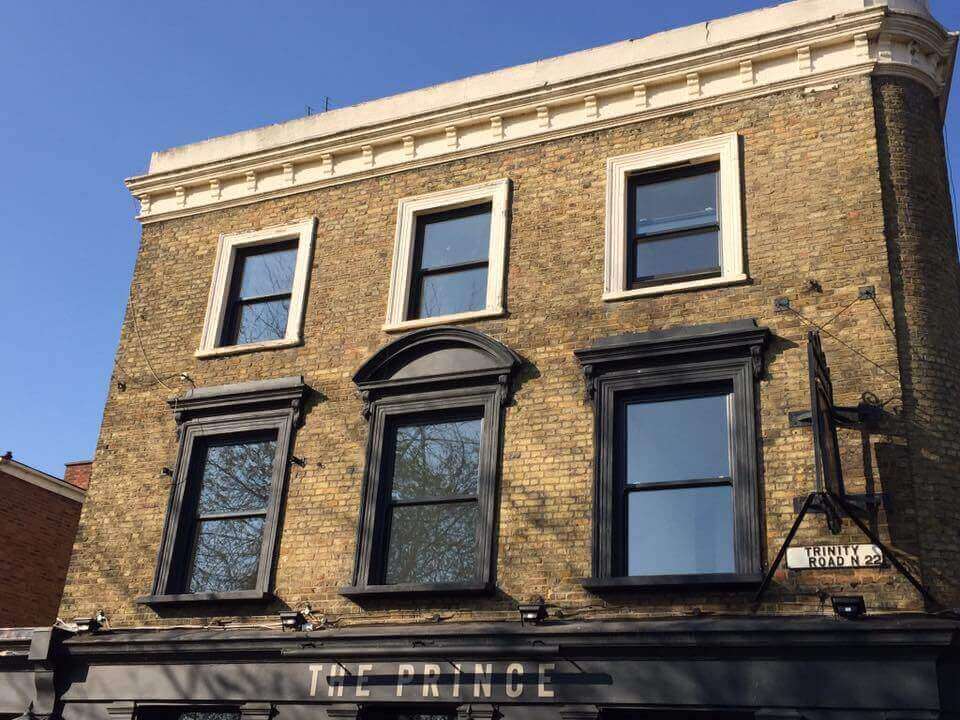
Many owners of period properties worry that new windows will spoil the architectural integrity of their home, but with the right design, this doesn’t have to be the case. By matching the original layout, glazing bars and colour, uPVC sash windows can sit comfortably on older properties.
This matters most in conservation areas, where new windows are expected to respect the character of the street. Double glazing can often be designed to look like the original windows, but it’s worth speaking to your council’s conservation officer early on.
Do you need planning permission for sash window upgrades?
In most cases, no. Replacing windows with ones of a similar appearance is usually classed as permitted development. However, listed buildings need consent and homes in conservation areas may face extra rules, so check with your council first.
New windows must also meet building regulations. As a FENSA-registered installer, we take care of this for you and you’ll receive a certificate once the work is complete.
Your sash window replacement, step by step
- Get a free quote. We discuss your home, your budget and the styles, colours and glass options available. The final cost depends on the size of your windows, the glazing and the finish you choose.
- Check permissions. If your home is listed or in a conservation area, speak to your local council before going ahead.
- Choose your details. Pick your colour or woodgrain finish, glazing bars, sash horns and hardware.
- Installation. Our experienced team fits your new windows with care.
- Aftercare. You’ll receive your building regulations certificate and our 10-year guarantee.
Talk to us about uPVC sash windows
Replacing sash windows is a big decision, especially in a period home. Our experienced team can talk you through your options and help you find the right style for your property and budget.
All our products come with a 10-year guarantee for extra peace of mind. Call us on 0800 193 2425, contact our team online or request a free quote with no obligation.
Delivering Customer Satisfaction
We strive to provide the best service for our customers. Here are some reviews from our happy customers.
Read our reviews




Offering you the best possible prices
Get in touch today for a no-obligation quote, totally free!