
Tiled vs glass conservatory roof replacement: Which is best for your home?

Many homeowners across London and the South East face the exact same frustration with their conservatories. Built with dated polycarbonate sheets or standard glass, these structures are rarely at a comfortable temperature, frequently turning into greenhouses during July and freezing iceboxes during the winter months. This thermal instability prevents you from utilising what should be a premium living space all year round.
Upgrading your roof is the most efficient way to reclaim this valuable footprint without the expense and disruption of installing a complete new conservatory. At Unique Glazing London Ltd, we have spent over two decades helping families improve their properties. As a trusted, family-run business built on strong core values, we prioritise delivering practical home improvement options. When exploring a conservatory roof upgrade, evaluating a tiled vs glass conservatory roof replacement will help you determine the best path forward to achieve a comfortable, usable space.
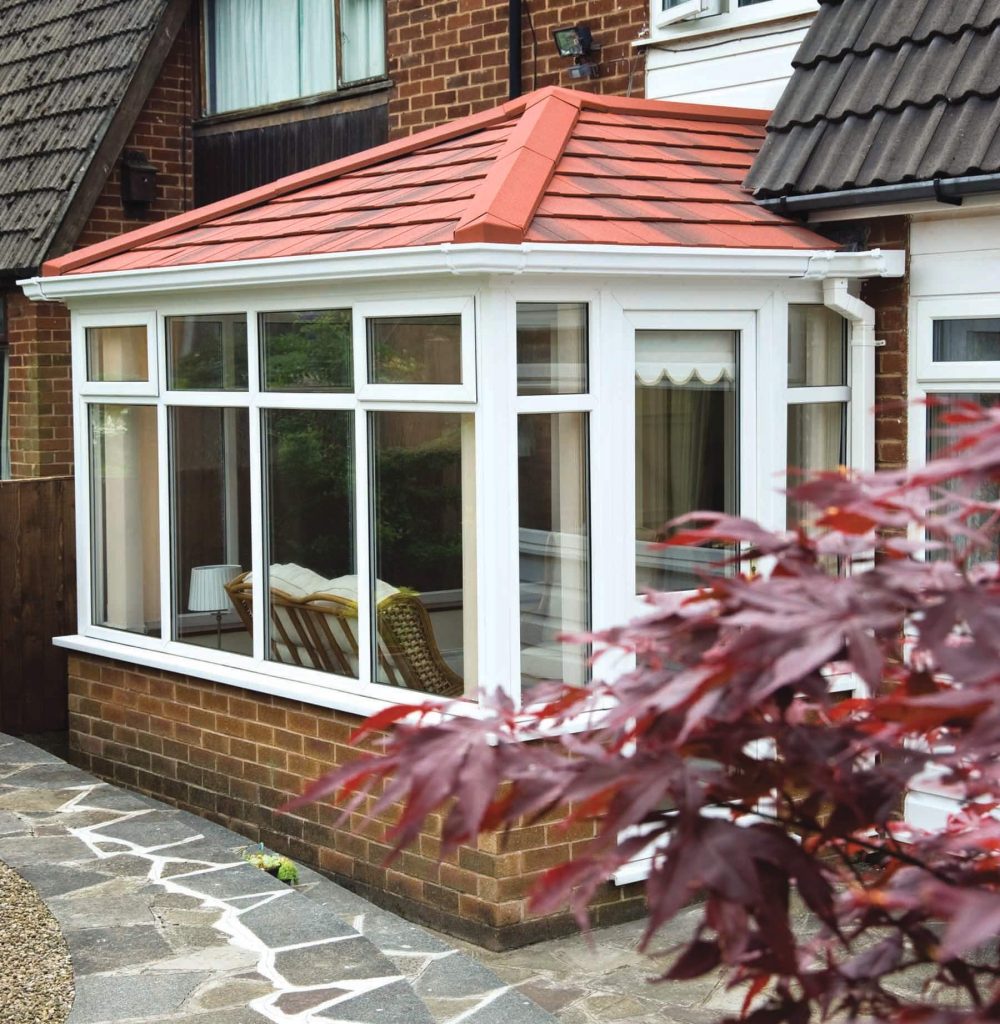
Thermal Control vs. Sunshine: Efficiency and Light Retention
The choice between solid tiles and a modern glass replacement roof comes down to how you want to use the space and how much natural light you wish to keep.
Modern Glass: Maximising the Sky View
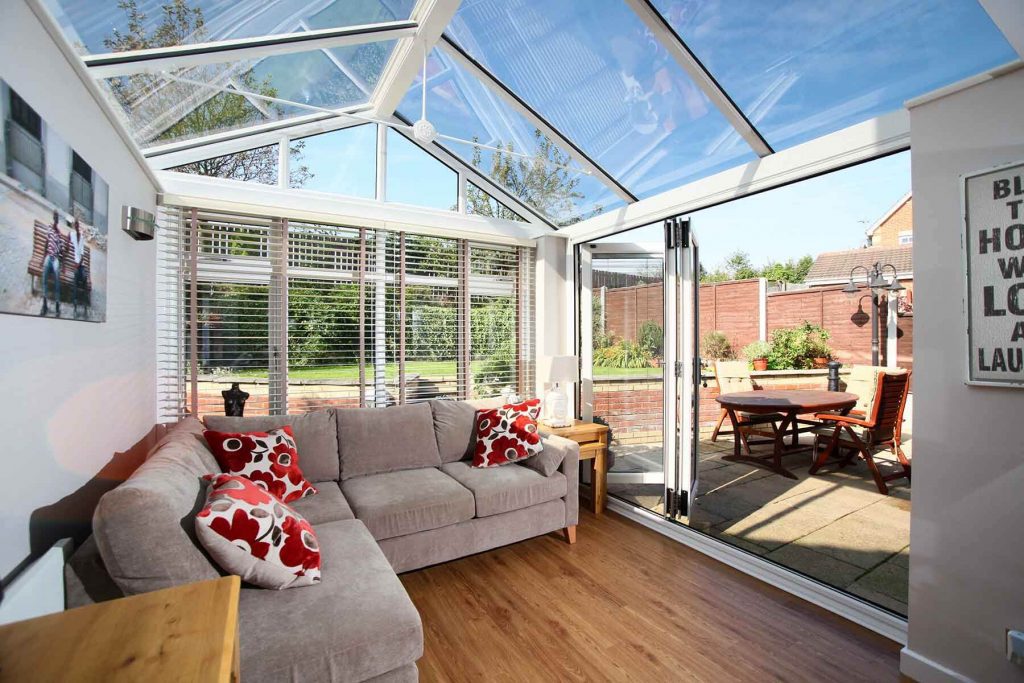
Opting for a high-performance glass roof ensures your room retains its classic, bright identity. Modern glazing technology has advanced significantly. Today’s high-specification glass uses solar-controlled panes, designed to reflect the sun’s heat, preventing the space from overheating when exposed to direct summer sunlight.
In the colder months, low-emissivity coatings reflect heat back into the room, reducing heat loss significantly. If your goal is to sit beneath an open view of the sky and maximise the daylight into adjoining rooms, a modern glass system remains an exceptional choice.
Tiled Roofs: Creating a Permanent Room Extension
A tiled roof replacement completely transforms the internal dynamics of your extension. It changes the structure from a traditional sunroom into a permanent living space that feels exactly like a brick-built part of the house.
The main benefit lies in the continuous insulation layers hidden within the internal frame, which achieve incredibly low U-values for excellent energy efficiency. This superior insulation means the space requires very little energy to heat, making it an ideal setting for a permanent TV lounge or a quiet home office. While you will lose the overhead view, you can easily integrate roof lights or a roof lantern to keep the space bright.
Tiled Roofs Win on Soundproofing
If you want to be able to work, make calls or simply watch tv in your conservatory then a tiled roof is better for sound insulation than a glass roof. That’s not to say that glass roofs are noisy, they aren’t, especially when compared with the versions of years gone by, but they aren’t quite as quiet as tiled roofs.
That’s purely because a tiled conservatory roof is built like the roof of a standard house extension. It consists of multiple thick layers, including timber, heavy insulation boards, a weatherproof membrane, and external tiles. The dense, multi-layered construction absorbs and dampens sound waves incredibly well. It dramatically reduces the sound of traffic, birds, and neighbours. Most noticeably, it silences the loud “drumming” effect caused by heavy rain or hail, turning it into a faint, distant murmur.
While modern double or triple glazing is much better at blocking sound than old, thin plastic (polycarbonate) roofs, glass is still a hard, reflective surface. During a heavy downpour, you may notice the rain more, but it’s more of a natural background noise as opposed to an intrusion rattling. If you just want a space in which to enjoy a view of the garden or sit and read a book, this may not be an issue at all.
Visual Appeal and Your Wallet: Aesthetics and Cost
Your choice affects both the external look of your property and your upfront financial layout.
Architectural Styling
A tiled replacement allows you to match the roof tiles or slates directly to the main roof of your house. This creates a cohesive appearance that looks like a deliberate part of the original property design, which can positively influence your overall property value. A solid roof also offers excellent insulation, superior noise reduction, dampening the sound of heavy rain.
Conversely, a glass structure offers a sleek, minimalist aesthetic that works beautifully with contemporary builds and period properties alike. The timeless, open-air design also translates throughout the ground floor, which will be full of natural light as a result of it. You won’t need to worry about the roof being ruined by debris thanks to the self-cleaning glass.
Balancing the Budget
From a cost perspective, a high-performance glass replacement is generally the more affordable option up front, as it requires less structural timber work and plastering. A lightweight tiled conservatory roof offers design flexibility and demands a higher initial investment due to the complexity of the building materials and internal plastering finishes.
The bets choice is largely down to you and your own unique priorities.
Navigating the Legalities: Rules and Regulations
- Planning Permission: In the vast majority of cases, changing your conservatory roof falls under Permitted Development rights, meaning you will not need formal planning permission. This is true provided you are not expanding the original footprint of your existing extension.
- Building Regulations: This is where the two options differ significantly. A glass-to-glass replacement rarely requires building control sign-off. However, converting a translucent glass or polycarbonate roof into a solid, tiled roof changes the legal classification of the structure to a permanent building. You must obtain building regulations approval to ensure the existing window frames and foundations can safely support the new weight loads. We can help with this.
The Verdict: Finding Your Perfect Fit
Ultimately, weighing a tiled vs glass conservatory roof depends on your lifestyle goals.
- Choose a Modern Glass Roof if: Your primary objective is to maximise natural light, enjoy an open view of the sky, and maintain the bright, classic feel of a traditional garden room.
- Choose a Tiled Roof Replacement if: You want to create a highly insulated, low maintenance space that functions like a brick extension, operates efficiently in winter, and blends into your existing home architecture.
Start Your Project with Unique Glazing
Upgrading your conservatory requires expert craftsmanship, accurate structural assessments, and trusted service. With more than 20 years of experience serving homeowners across London and the South East, our family-run team is here to guide you toward the right choice for your property’s aesthetic appeal and layout.
Get in touch with our specialists today to discuss your replacement roof plans:
- Call Our Sales Team: 0800 193 2425
- Message Us on WhatsApp: 0771 633 8436
- Email Us Directly: sales@uniqueglazing.co.uk
- Request a Consultation: Fill out our Online Contact Form to arrange your personalised technical advice.
Q: Will upgrading my existing conservatory roof lower energy bills in the space?
A: Absolutely. Replacing older glass with a solid tiled or glass roof gives you better thermal performance, helping maintain a steady temperature and reducing energy bills year-round.
Q: How do tiled and glass conservatory roof options differ in daylight?
A: Modern glass conservatory roofs offer maximum natural light and a modern look. Conversely, a tiled roof conservatory creates a permanent extension feel, though you can add roof windows.
Q: Do I need structural reinforcement to replace my existing roof?
A: Switching to a solid construction like a tiled roof material adds weight, so we check if structural reinforcement is needed to safely support it on your existing roof.
Q: How does a tiled roof affect noise and my home’s appearance?
A: Multi-layered conservatory roofing offers better noise reduction during heavy downpours, while seamlessly matching your home’s appearance so the space feel matches the rest of your home.
Q: Which right conservatory roof type is best for minimal upkeep?
A: Both offer minimal upkeep. Glass uses self-cleaning technology to manage excess heat, while tiles give a touch of elegance that boosts your property’s value with very little maintenance.
Delivering Customer Satisfaction
We strive to provide the best service for our customers. Here are some reviews from our happy customers.
Read our reviews




Offering you the best possible prices
Get in touch today for a no-obligation quote, totally free!