
Flush sash vs. standard casement windows: Aesthetic and practical differences

When choosing new windows, the style and profile you select can make a noticeable difference to the appearance of your home. This is particularly clear when comparing the clean lines of standard casement windows with the traditional look of flush sash windows.
If you’re considering flush sash vs casement windows, both styles offer modern performance, but their appearance and design are quite different. This guide breaks down the key differences between standard casement windows and flush sash windows, covering appearance, energy efficiency, security and maintenance.
What is a standard casement window?
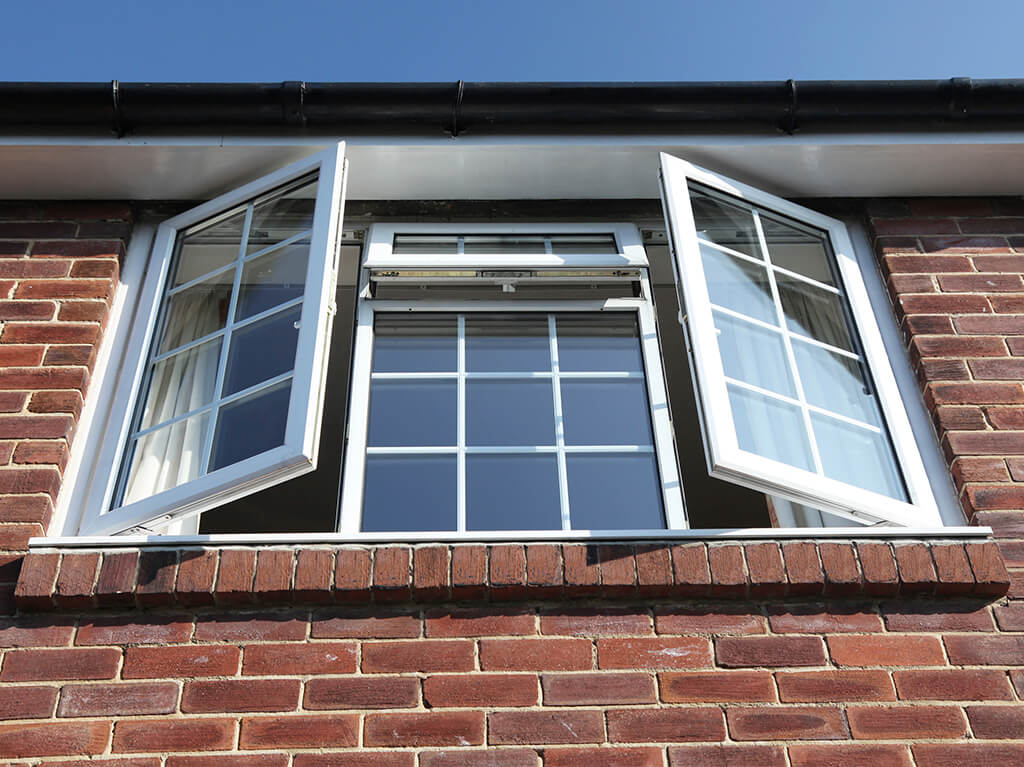
Standard uPVC casement windows are one of the most popular window styles in the UK. The sash, which is the opening part of the window, sits slightly proud of the outer frame rather than closing level with it. This creates a visible step around the edge of the window.
Casement windows usually open outwards on hinges and can be side hung or top hung depending on the configuration. Their straightforward design allows for generous areas of glazing, helping bring natural light into a room.
This versatility makes casement windows suitable for a wide range of properties, from traditional homes and period renovations to modern builds and extensions.
What is a flush sash window?
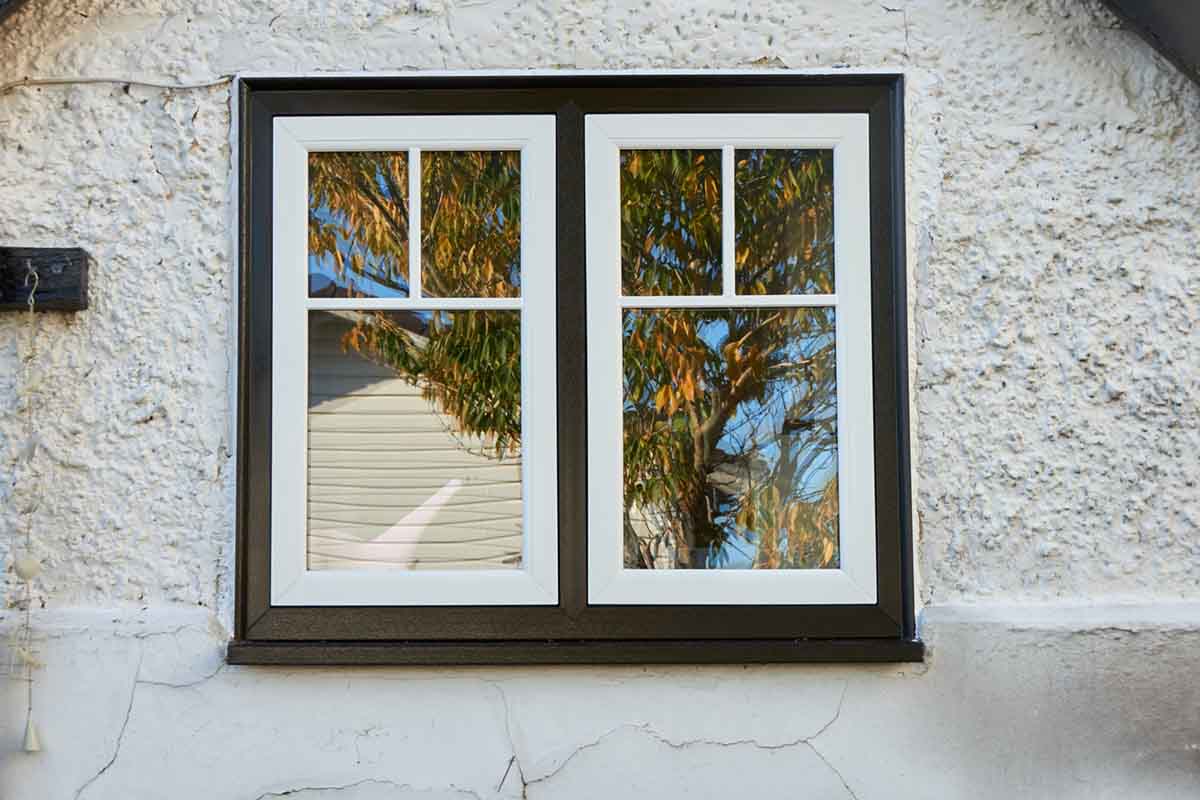
A flush sash window is designed so the sash closes flat within the outer frame rather than sitting proud of it. The result is a smooth, seamless appearance that is often associated with traditional timber windows.
Flush sash windows can replicate the proportions and detailing of traditional joinery while using modern uPVC construction. Features such as slim sightlines, decorative glazing bars and woodgrain finishes can help create a traditional look without the maintenance associated with timber windows.
For homeowners with a period property or heritage home, this style can be worth considering where traditional detailing is important. If your property is within a conservation area, you should also check any local planning requirements before choosing replacement windows.
Aesthetic appeal: which style suits your home?
Traditional homes and period features
Homes with period features such as decorative glazing bars, traditional proportions and exposed brickwork can benefit from a window design that reflects the character of the building.
Flush sash windows provide a flat, timber-inspired appearance that can complement traditional architecture. A range of colours, finishes and bar designs can also help create a closer visual match with existing windows.
Modern homes and clean lines
Casement windows can work particularly well on modern homes, extensions and new builds. Their clean lines and straightforward profile provide a contemporary appearance, while different colours, glazing and hardware options allow the design to be tailored to the property.
That does not mean casement windows are limited to modern properties. Their versatility means they can also work well on traditional homes where the existing architecture allows for a less ornate window style.
Neither style is automatically the better-looking option. A flush sash provides a more traditional, seamless appearance, while a casement offers a clean and versatile profile. The right choice depends on your property’s architecture and your own taste.
Practical performance: efficiency, security and upkeep
Appearance aside, both window styles can provide the modern performance expected from uPVC windows.
- Thermal efficiency: Casement and flush sash windows are available with double glazing or triple glazing to help reduce heat loss and improve energy efficiency.
- Acoustic glazing: For homes on busier roads, upgraded acoustic glazing can provide additional noise reduction.
- Security features: Modern multi-point locking systems and suitable hardware can provide peace of mind on both styles.
- Low maintenance: uPVC does not require the regular painting or treatment associated with traditional timber windows.
- Hardware options and colours: A variety of colours, foiled finishes and handle styles are available across both ranges.
The window style itself does not determine thermal performance. Glazing specification, frame construction and installation quality all play an important role.
Do flush sash windows cost more than casement windows?
Flush sash windows are typically priced slightly higher than standard casement windows, reflecting their more detailed manufacturing process and heritage styling. The performance difference between the two is minimal, so the extra cost mainly relates to achieving a particular aesthetic.
The final price will depend on factors such as size, glazing, colour, configuration and hardware.
Comparing flush sash and casement windows
| Feature | Standard casement windows | Flush sash windows |
| Appearance | Stepped profile with the sash sitting proud of the frame | Flat, seamless appearance |
| Style | Clean and versatile | Traditional and timber-inspired |
| Period properties | Can suit traditional properties depending on design | Particularly suited to traditional and heritage properties |
| Modern homes | Well suited to modern homes and new builds | Can work where a traditional appearance is preferred |
| Glazing | Double and triple glazing options | Double and triple glazing options |
| Thermal performance | Strong modern performance | Strong modern performance |
| Security | Modern locking systems and security features | Modern locking systems and security features |
| Maintenance | Low-maintenance uPVC | Low-maintenance uPVC |
| Design options | Wide choice of configurations, colours and hardware | Wide choice of colours, finishes, glazing and hardware |
| Typical cost | Generally the more affordable option | Typically costs more due to additional design detailing |
Talk to Unique Glazing about your new windows
There’s no universally correct answer here, only the right window style for your home. If you’re restoring a period property or need to consider conservation requirements, flush sash windows are worth exploring. If you want a versatile profile with a slightly more contemporary edge, standard casement windows remain a dependable choice.
Our team manufactures both styles, so we can talk you through the practical and aesthetic differences and help you find the right fit for your property. Get in touch with Unique Glazing today for a free, no-obligation quote.
Delivering Customer Satisfaction
We strive to provide the best service for our customers. Here are some reviews from our happy customers.
Read our reviews




Offering you the best possible prices
Get in touch today for a no-obligation quote, totally free!